

By Pius Ebong
Few countries in the world embody the contradiction between wealth and poverty as starkly as Nigeria. Blessed with abundant crude oil, one of the largest natural gas reserves in Africa, vast deposits of solid minerals, fertile agricultural land, and a youthful, entrepreneurial population, Nigeria should be a model of prosperity. Instead, it has become a symbol of unrealised potential, a rich nation inhabited by millions of poor citizens.
This contradiction is neither accidental nor inevitable. It is the cumulative consequence of decades of weak governance, misplaced priorities, policy inconsistency, institutional fragility, corruption and an economy that has remained overly dependent on the export of raw commodities while neglecting productive sectors capable of creating sustainable wealth.
The tragedy is not that Nigeria lacks resources; it is that it has consistently failed to convert those resources into broad-based economic development. Oil revenues running into hundreds of billions of dollars over several decades should have laid the foundation for world-class infrastructure, quality education, accessible healthcare, industrial expansion, and a vibrant manufacturing base. Instead, much of the country still struggles with unreliable electricity, poor transport networks, inadequate healthcare facilities, and an education system under severe strain.

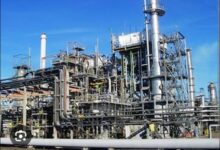
Perhaps nowhere is this paradox more evident than in the energy sector. Nigeria is one of the world’s leading gas-producing nations, yet manufacturers continue to battle crippling energy costs due to inadequate power generation and distribution. Industries spend enormous sums generating their own electricity, making Nigerian products less competitive both locally and internationally. The irony is difficult to ignore: a nation rich in energy resources suffers from chronic energy poverty.
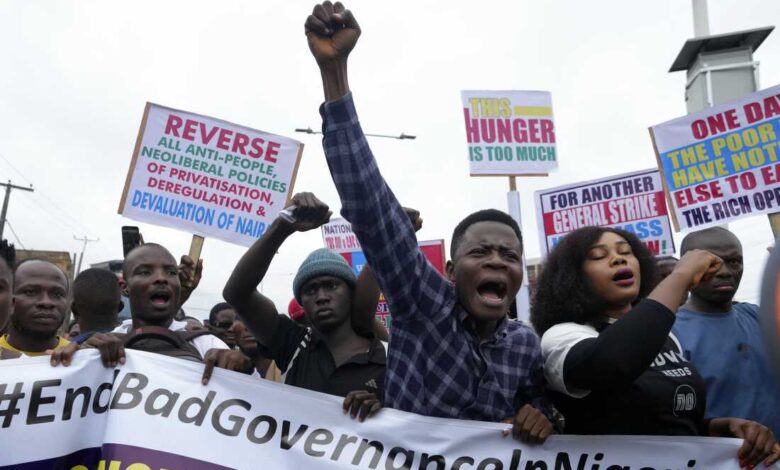
The consequences extend far beyond industry. Inflation continues to erode purchasing power. Youth unemployment remains alarmingly high. Small businesses struggle to survive. Many graduates cannot find meaningful employment despite years of education. Families face increasing hardship while the nation’s enormous resource endowment remains largely underutilised or inefficiently managed.
The issue before Nigeria is therefore not simply one of economic growth. Growth without inclusion merely enriches statistical reports while leaving ordinary citizens behind. The true measure of national success is whether economic progress improves the daily lives of the people, whether it creates jobs, reduces poverty, strengthens institutions, and expands opportunities for every Nigerian.
Fortunately, Nigeria’s challenges are not beyond remedy. The country possesses every ingredient necessary for economic transformation. What has been lacking is disciplined execution and sustained political will.
Nigeria must move decisively from an extractive economy to a productive one. Natural resources should be processed locally before export, thereby creating industries, employment, technological advancement, and higher export earnings. Agriculture must evolve from subsistence to agribusiness. Manufacturing must become a national priority. Reliable electricity should be treated not merely as social infrastructure but as the foundation of industrial competitiveness. Education must produce innovators and skilled professionals capable of driving a modern economy rather than merely increasing the number of degree holders.
Equally important is the restoration of public confidence in governance. Transparency, accountability, fiscal discipline, and policy consistency are indispensable if domestic and foreign investors are to commit long-term capital to Nigeria’s economy. Investors seek stability, predictability, and credible institutions as much as they seek profitable opportunities.
Nigeria’s greatest resource has never been oil or gas. It is its people. Empowered citizens create productive economies. Educated citizens generate innovation. Healthy citizens build prosperous nations. Any development strategy that neglects human capital is ultimately destined to fail.
The paradox of poor citizens living in a rich nation need not define Nigeria’s future. It is a condition that can, and must be reversed. The country stands at a critical moment where difficult but necessary reforms can lay the foundation for enduring prosperity. Future generations will judge today’s leaders not by the wealth beneath Nigeria’s soil, but by whether that wealth was transformed into better lives for the people above it.
Nigeria’s story does not have to remain one of squandered abundance. It can become a story of renewal, industrialisation, and inclusive prosperity. But that future will require leadership with vision, institutions with integrity, and citizens determined to hold both accountable.
The resources have always been there. The opportunity still exists. What remains is the courage to national wealth into national well-being.
•Ebong writes via Piusebong@gmail.com or +2348033138956