
Obot Akara women mobilise for civic engagement as Eyakenyi, Obareki, others appreciate women’s support, launch cooperative initiative

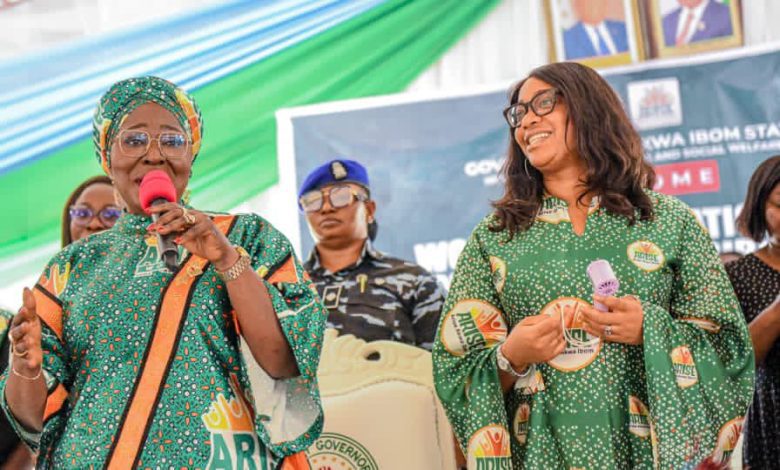
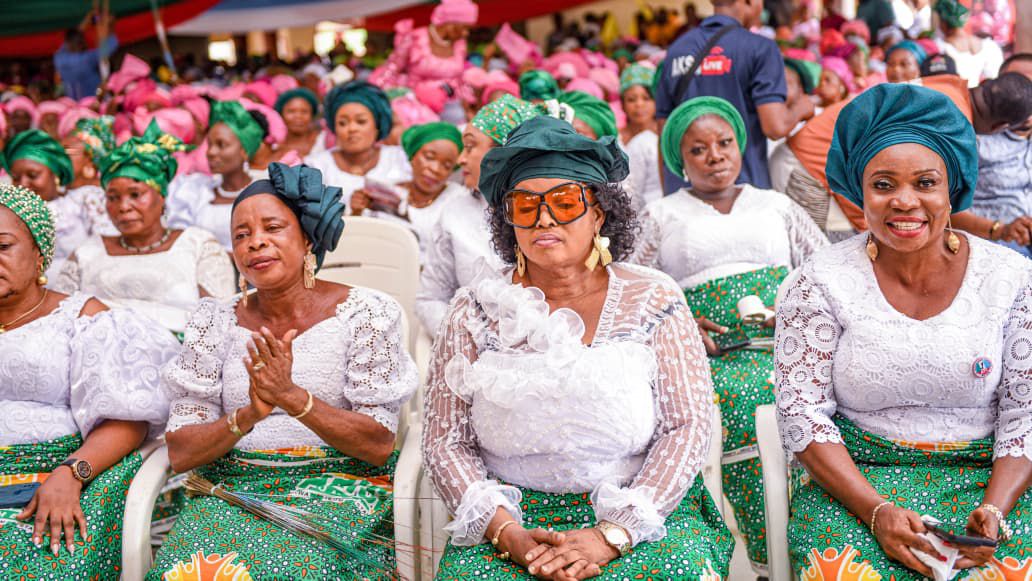
In a carnival-like atmosphere, women of Obot Akara Local Government Area turned out in large numbers in a vibrant show of unity and grassroots solidarity, as the Deputy Governor of Akwa Ibom State, Akon Eyakenyi, alongside the Coordinator, Office of the First Lady, Noble Lady Helen Obareki, and other stakeholders, commended them for their steadfast support while advancing the ARISE Cooperative Drive.
The sensitization tour, held at the Council Secretariat in Nto Edino, combined civic engagement with economic empowerment, placing women at the forefront of democratic participation and community development.




Addressing the gathering, Senator Eyakenyi conveyed the appreciation of Governor Umo Eno to the women of Obot Akara for their consistent support and urged them to sustain their commitment by actively participating in the democratic process.
She encouraged eligible women to obtain, replace, or reactivate their Permanent Voter Cards (PVCs), noting that the Independent National Electoral Commission (INEC) is conducting ward-by-ward voter registration.
She further tasked mothers to mobilize youths aged 18 and above to register and vote.
The Deputy Governor also unveiled the ARISE Cooperative Drive, disclosing that ₦1 billion has been earmarked for each local government area under the ARISE Cooperative Scheme to boost women’s economic empowerment.
She urged women to secure their National Identification Numbers (NIN) and register with cooperatives to benefit from the initiative.
In her remarks, Noble Lady Helen Obareki applauded the women for their loyalty and resilience, reaffirming government’s commitment to strengthening women’s participation in governance, enterprise, and community leadership.
Earlier, the Chairman of Obot Akara LGA, Hon. Simon Dominic, lauded Governor Eno’s development strides in the area and pledged the council’s full backing for the sensitization campaign.
In a major boost to the programme, political leader of the area, Sir Monday Uko, pledged ₦11 million in support of the take-off of the ARISE Cooperative in the 11 wards and another ₦11 million to support the sensitization drive.
The gesture received additional financial backing from stakeholders, including the Member representing Ikot Ekpene Federal Constituency in the House of Representatives, Hon. Patrick Umoh, who donated ₦10 million; House of Assembly Member, Hon. Jerry, who gave ₦1 million; former lawmaker and Honorary Special Adviser to the Governor, Rt. Hon. Idongesit Ntekpere; aides of the Governor; and other stakeholders who collectively raised over ₦39 million in support of the initiative.

The event drew goodwill messages from political leaders, party stakeholders and top government functionaries, reinforcing calls for unity and sustained grassroots mobilization.
In her vote of thanks, the wife of the Council Chairman, Mrs. Dominic, assured that Obot Akara remains committed to delivering strong electoral support for the All Progressives Congress (APC) in future polls.
Dignitaries at the ceremony included the Wife of the SSG, Dr. Inem Uwah; Commissioner for Humanitarian Affairs, Princess Emem Ibanga; Commissioner for Agriculture, Dr. Offiong Offor; former Commissioner for Agriculture and Commissioner for Information, Rt. Hon. Aniekan Umanah; State Women Leader of the APC, Obonganwan Abonudo Uko; Woman Leader of the ARISE Renewed Hope Initiative, Dr. Glory Edet; President, Ikot Ekpene Senatorial District Women, Mrs. Emem Camilus Umoh; former Chairman, State Secondary Education Board, Dr. Ekaette Ebong Okon; Chapter APC Chairman, Pastor Ity Dennis; wives of royal fathers; and a host of other stakeholders.