
N’Delta stakeholders demand urgent action on oil well decommissioning at 5th NDAC

Itoro Bassey
A broad coalition of stakeholders from the Niger Delta states of Nigeria have called for an immediate and transparent audit of all oil wells and petroleum infrastructure in the region.
They also called for the urgent decommissioning, remediation, and ecological restoration of abandoned and unsafe facilities, with state governments leading accountability efforts and the Federal Government enforcing compliance.
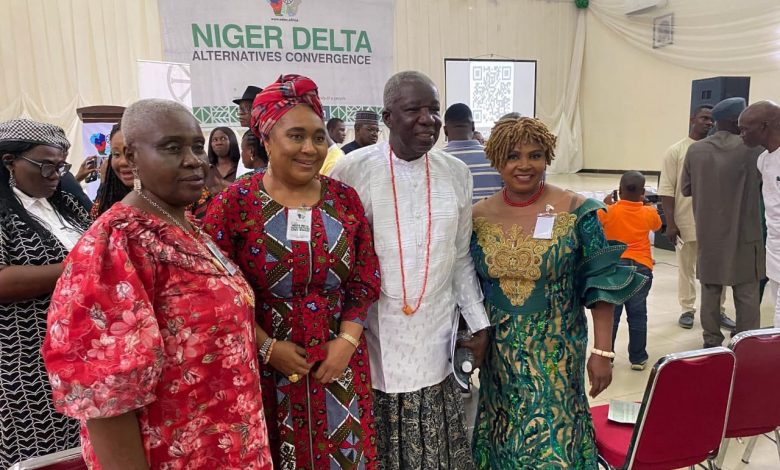
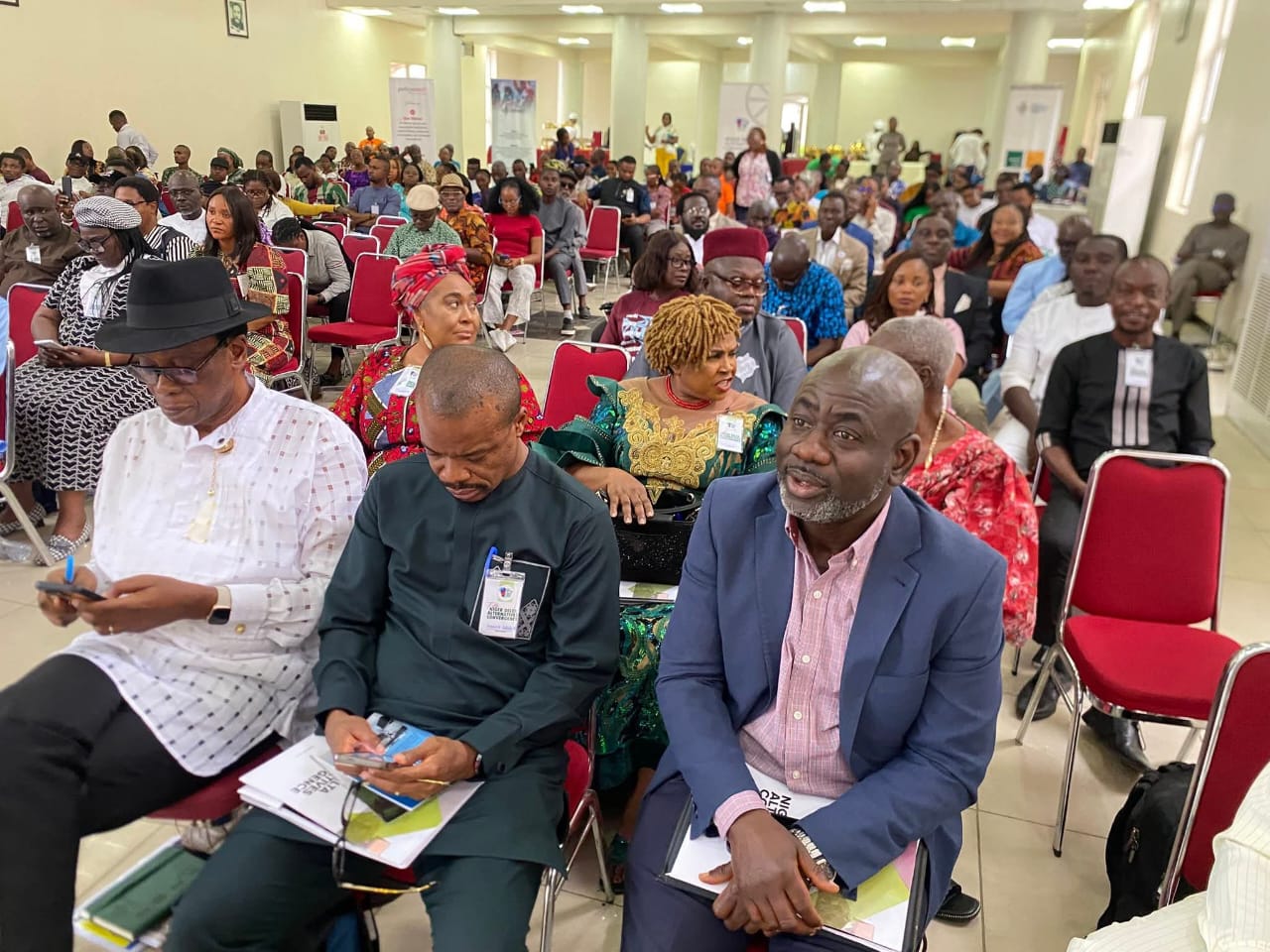
These are contained in a communique issued on Thursday, May 14, 2026, at 5th Niger Delta Alternatives Convergence (NDAC), convened by the Health of Mother Earth Foundation (HOMEF) in Uyo, Akwa Ibom State, in collaboration with civil society organizations (CSOs), community leaders, researchers, environmental professionals, youth and women groups from across the Niger Delta region.


The group also demanded for every abandoned, leaking, and undecommissioned oil well in the Niger Delta to be treated as a crime scene, due to the ongoing threats they pose to lives, livelihoods, ecosystems, and public health.
Over the course of the day-long conference which had the theme, ‘Towards Decommissioning and Accountability in the Niger Delta, participants engaged in deep policy dialogue and knowledge sharing aimed at addressing the long-standing ecological, socio-economic, and public health crises resulting from decades of oil extraction in the region.
The Convergence highlighted alarming cases including the persistent hydrocarbon leaks from abandoned wells in Otuabagi and the 2007 eruption of the SPDC Ibibio-1 well at Ikot Ada Udo in Ikot Abasi LGA of Akwa Ibom State, exposing the continuing dangers posed by undecommissioned oil infrastructure.
Participants also noted ongoing disasters, such as the Ororo-1 well in Ondo State, burning since 2020, and the Alakiri wellhead fire in Rivers State, which has endured since 2024, noting the persistent failure of both operators and regulators to take responsibility or implement urgent remedial action.
These incidents, according to the participants, exemplified systemic failures by both oil companies and regulatory bodies to ensure environmental safety and corporate responsibility decades after oil extraction commenced.
Drawing on major scientific assessments such as the Niger Delta Environmental Survey, UNEP Ogoniland Report and the Kebetkache contamination study, which detected petroleum hydrocarbons in the bodies of women in Otuabagi, the participants underscored widespread ecological damage and public health crises across the Niger Delta.
Some of the demands in the communique read, “while we acknowledge landmark reports including the Willinks Commission, NDES, UNEP, and BSOEC reports, the Convergence insists that the future of the Niger Delta must no longer be defined by exploitation and ecological sacrifice, but by justice, restoration, environmental integrity, and development shaped by the aspirations and rights of the peoples of the region.
“An end to reckless extractive practices and short-term economic interests that continue to undermine environmental sustainability and community livelihoods.
“Immediate identification, audit, and public disclosure of all abandoned oil and gas wells and facilities across the Niger Delta region.
“Immediate cleanup, remediation, restoration, and reparations of polluted environments and ecosystems affected by oil extraction and abandoned facilities.
“Amendment to the Petroleum Industry Act (PIA), alongside stricter enforcement of provisions relating to environmental responsibility, decommissioning obligations, and corporate accountability.
“A transparent and legally enforceable framework regulating oil company divestments to ensure that liabilities are not transferred to communities or the Nigerian state.
“Increased participation of host communities, women, youth, and indigenous groups in environmental governance and decision-making processes”.
The Convergence commended Akwa Ibom State Government’s readiness to collaborate with NDAC on decommissioning efforts while urging other sub-national governments to scale up the same partnership across the Niger Delta region.
Meanwhile, while fielding questions from journalists on the sidelines of the programme, an environmental activist, architect, and director of the ecological think tank; Health of Mother Earth Foundation (HOMEF), Dr. Nnimmo Bassey, stated that the Nigerian government at all levels must understand that the current situation is a death sentence for the people of the Niger Delta, adding that action must be taken.