

Akwa Ibom: PEER Foundation raises awareness on gas flaring, methane laws among petroleum host communities

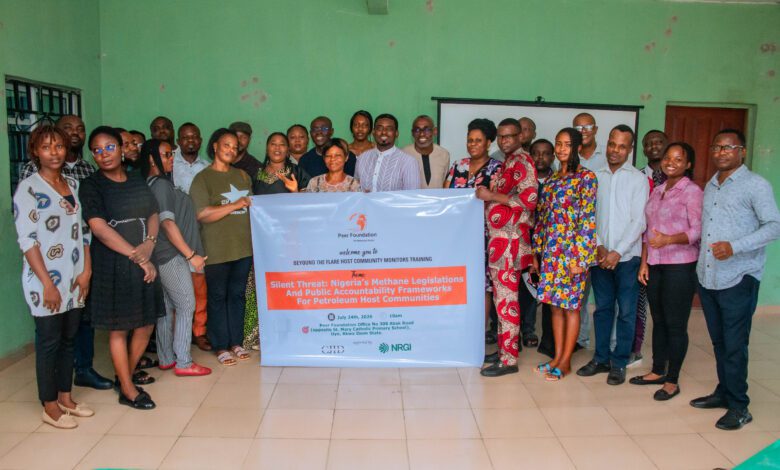
The Ibom Peoples’ Empowerment and Ecosystem Restoration (PEER) Foundation, on Friday, held a sensitisation programme for oil and gas host community monitors in Akwa Ibom State, focusing on Nigeria’s gas flaring, venting, and methane emissions regulations under the Petroleum Industry Act (PIA).
The event which took place at the PEER Foundation office along Abak Road in Uyo, the state capital, had the theme, “Silent Threat: Nigeria’s Methane Legislations and Public Accountability Frameworks for Petroleum Host Communities.”
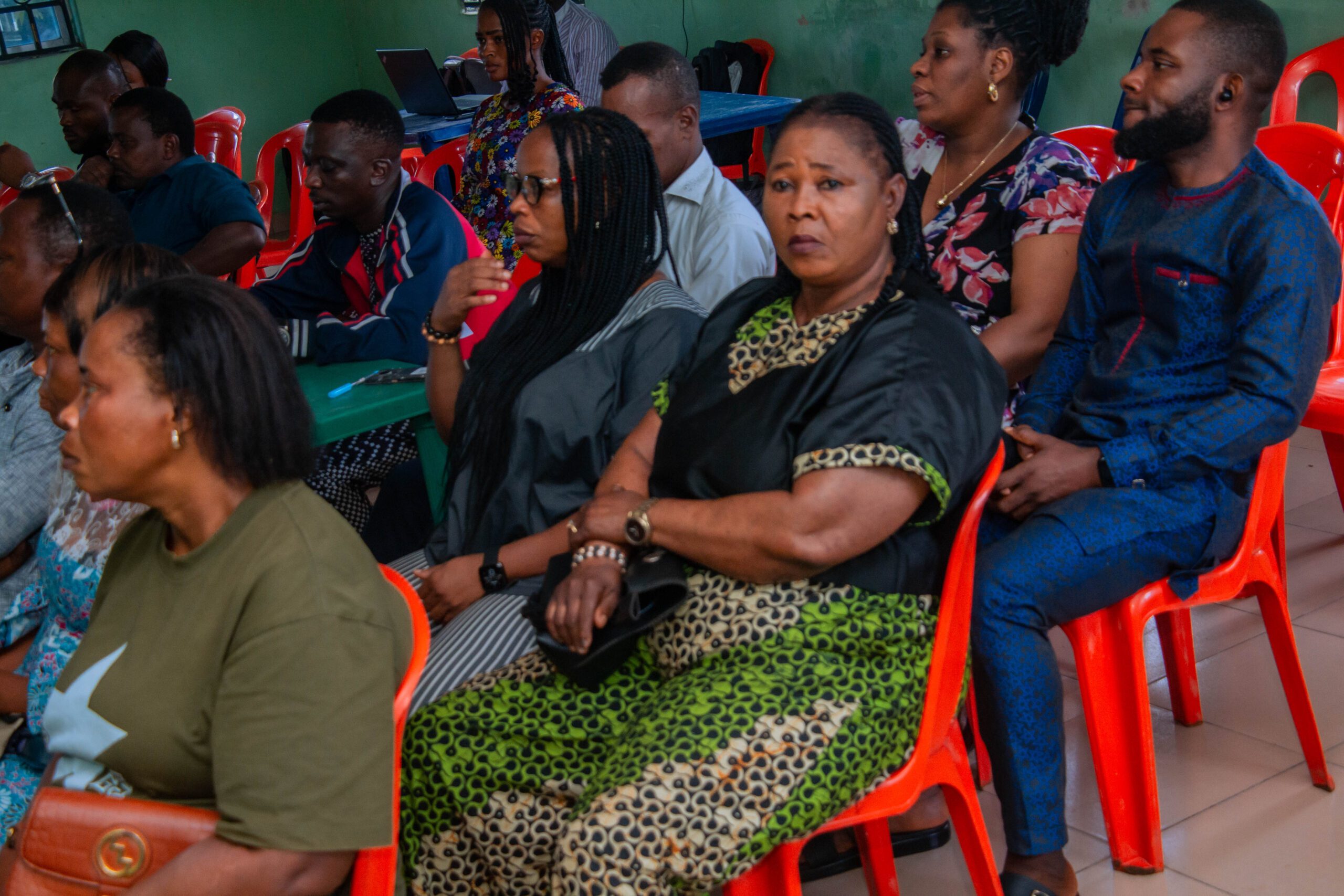
In addition to the petroleum host community members, civil society groups (CSOs) and media representatives also participated in the programme as they discussed on key provisions of the Petroleum Industry Act (2021), the Gas Flaring, Venting and Methane Emissions Regulations (2023), and the Guidelines for Management of Fugitive Methane and Greenhouse Gas (GHG) Emissions (2022).
Speaking at the occasion, Mr. Mfon Gabriel, the Executive Director of Ibom PEER Foundation, highlighted how gas produced alongside crude oil in Nigeria over the years has often been burned off (flared) or released unburned (vented) instead of being captured and used for economic benefits.



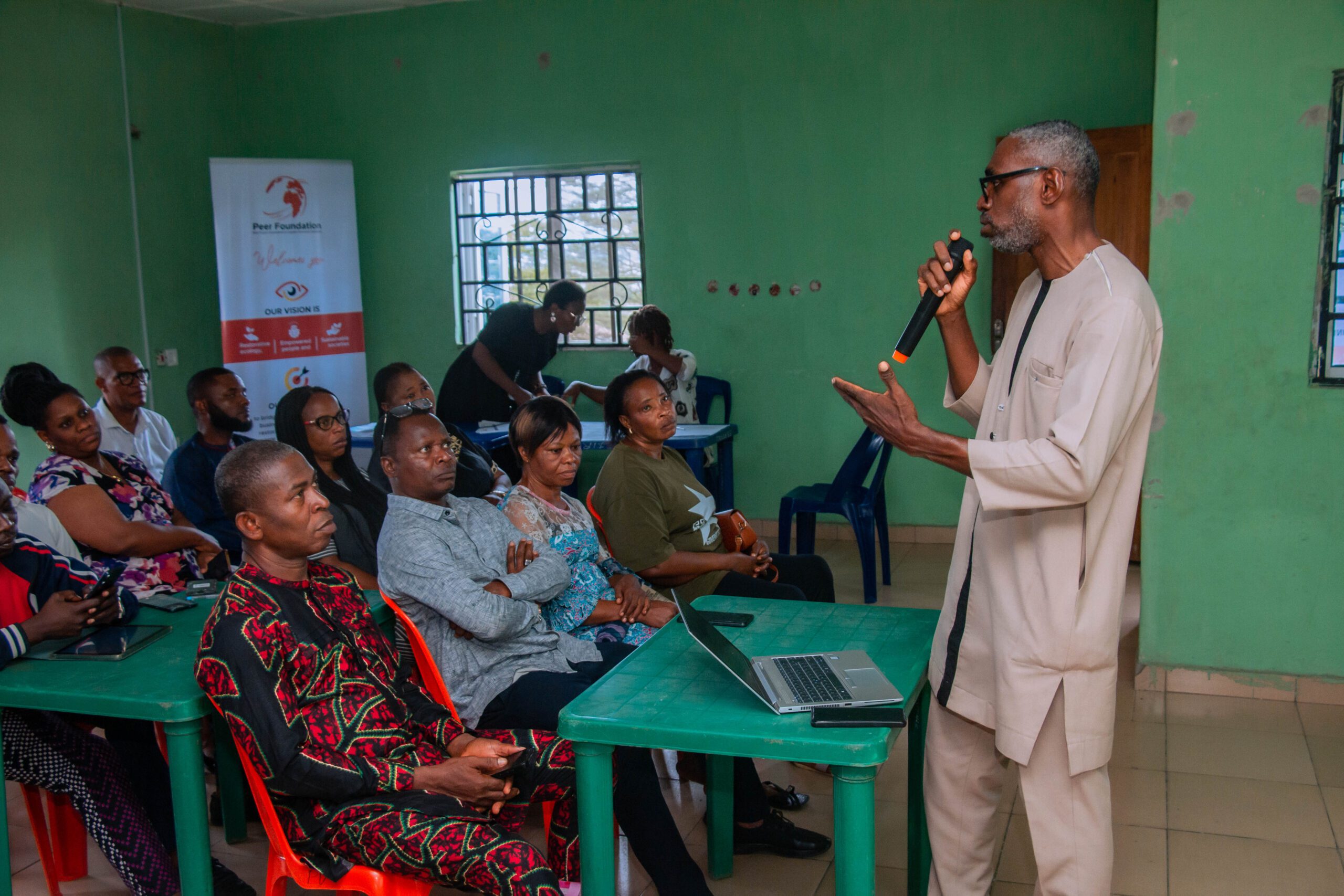

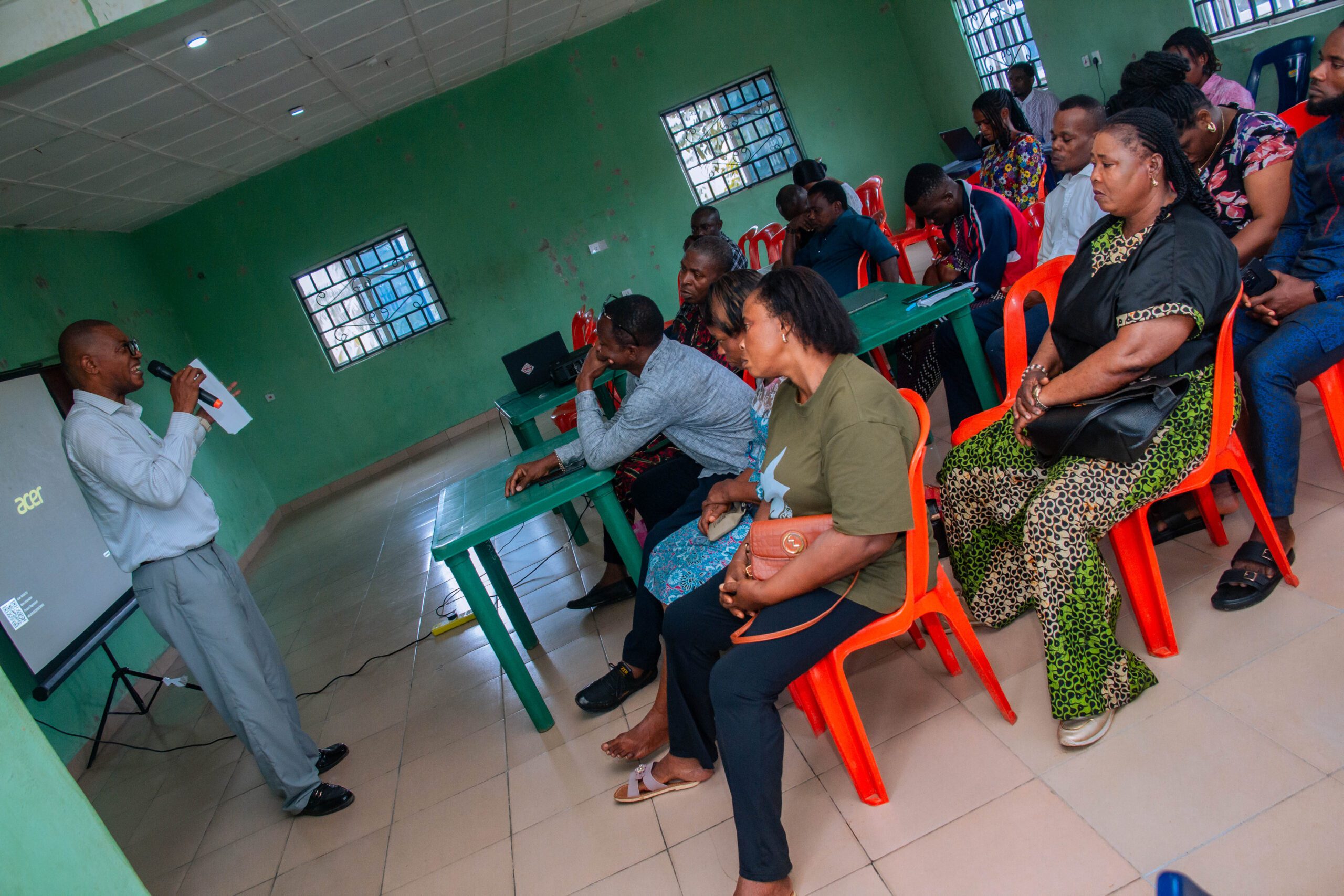
Gabriel noted that the situation has often led to the wastage of valuable natural resources, contributes to climate change, air pollution, and negatively impacts the health of communities near production sites.
He further explained that fugitive emissions are unplanned leaks of methane or volatile organic compounds (VOCs) from equipment such as valves, flanges, seals, tanks, pipes, and connectors, noting that continuous gas flaring and leaks damage local farming, pollute fishing waters, and cause serious respiratory illnesses.
During the meeting, participants were also informed about the regulatory powers of the Nigerian Upstream Petroleum Regulatory Commission (NUPRC), including statutory provisions outlined in Sections102 to108 of the PIA relating to gas flare elimination and reduction plans.
The discussion also covered Nigeria’s commitments and national targets, including the 2030 deadline for elimination of routine gas flaring and reduction in fugitive methane emissions, compliance obligations for operators, as well as information on administrative fines that the NUPRC can impose independently, in addition to penalties for underlying offences under the Act.
Mr. Gabriel urged the communities to utilise Sections 104 and 108 of the PIA to actively engage with oil companies and NUPRC in efforts to eliminate gas flaring.
He also provided participants with relevant data to demand transparency from international oil companies (IOCs) and regulatory bodies, alongside the tools needed to independently monitor and report environmental violations.
On the sidelines of the workshop, participants commended Ibom PEER Foundation for organising the programme and pledged to raise awareness among stakeholders in their respective communities to ensure that they benefit from the provisions of the PIA regulations.
The training followed a webinar hosted by the PEER Foundation on Wednesday, July 22, with the theme “Beyond the Flare: Empowering CSOs and Media to Enforce Nigeria’s2023 Gas and Methane Laws”,
During the strategic capacity-building and accountability session, CSOs and journalists were equipped with the technical knowledge, legal tools, and evidentiary frameworks needed to hold oil and gas operators accountable under Nigeria’s current environmental laws.